Thanks for stopping by! We're really glad you're here.

A Right to Beauty
Sarah Simon
12/18/2025
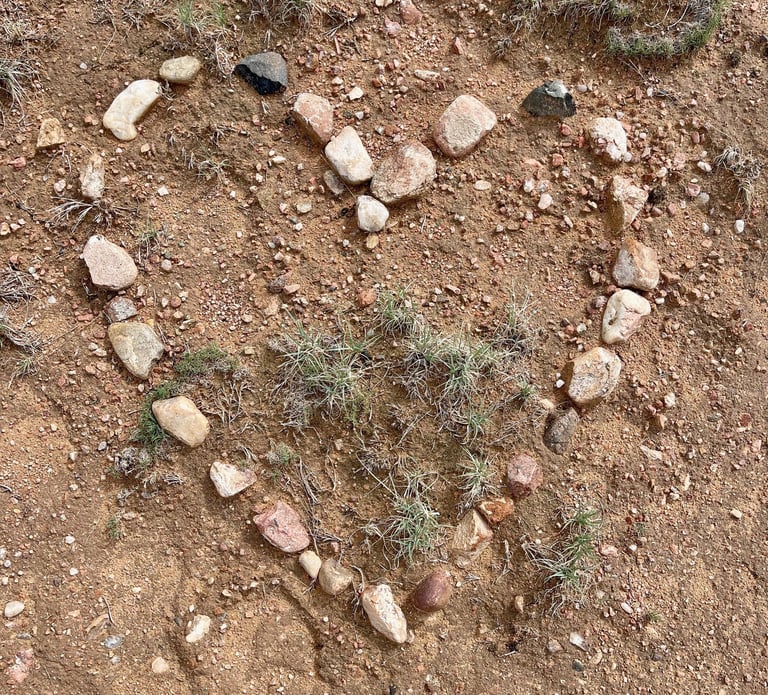
Throughout my years as an educator, one of the most meaningful approaches I encountered was the Reggio Emilia philosophy. What continues to stay with me is its belief that children have a hundred languages—endless ways of expressing themselves and making sense of their world. Their learning lives in movement, in silence, in curiosity, in the way they arrange objects or mix colors. It isn’t limited to what they can write or say.
And because children learn through so many languages, the materials we offer them matter. Not in the sense of needing more or newer things, but in recognizing the richness of what we already have. A pinecone, a smooth rock, a handful of sticks—simple objects that invite imagination rather than prescribe it. These natural materials often help children feel grounded, more connected to the world outside their door. There’s something quietly powerful about that.
The Reggio approach also uses gentle provocations—questions or arrangements that spark wondering without pushing toward a single answer. How might these paints help you share how you feel today? What do you notice about these stones? How might we tell a story with these blocks? It’s not about solving anything. It’s about giving children space to think, to linger, to discover parts of themselves that might otherwise remain quiet.
One idea from Reggio that I return to often is the belief in a child’s right to beauty.
Not beauty as in perfection or expense, but the kind of beauty that helps us breathe easier: a space that feels calm, intentional, and cared for. When children are surrounded by environments like this, they tend to settle into themselves. They become more open, more creative, more willing to care for the world around them.
This can be as simple as soft, natural colors instead of harsh ones; a tidy shelf instead of clutter; toys and tools that invite imagination instead of overwhelming the senses. None of this requires grand changes—just small choices that whisper, You matter. You are held. You are welcome here.
And as I write this, I’m reminded that these ideas aren’t only for children.
Adults, too, need beauty.
We also long for spaces that help us soften, slow down, and reconnect with ourselves. Many of us move through noisy days, cluttered environments, and lives full of demands. Creating small pockets of intention—a cleared countertop, a candle, a plant, a moment of stillness by a window—can gently shift how we feel inside our own lives. These tiny choices can remind us that we also deserve environments that feel supportive and soothing.
Perhaps that’s the quiet invitation in all of this: to consider, without judgment, what we surround ourselves with and why. To notice what brings calm, what sparks curiosity, what feels like beauty—whether we are three years old or thirty or sixty.
There’s no right way to do any of this. Just an opportunity to pause, to look around, and to choose—whenever we can—what helps us feel more grounded, more connected, and more ourselves.